Project Gulfstream
Product design engineering of an autonomous checkout hardware system from prototype to ~10-store pilot.
Mechanical-forward case study from concept to field pilot
Gulfstream was a computer-vision-based autonomous checkout unit designed for live big-box retail. My focus was product design engineering: translating business objectives into mechanical and system-level requirements, then delivering a deployable unit that could survive real store conditions.
Product Design Engineer (Mechanical / Systems) — owned physical architecture, integration of camera/lighting/compute/enclosures, vendor fabrication, and in-store deployment support; partnered closely with software and ops to ensure field reliability and serviceability.
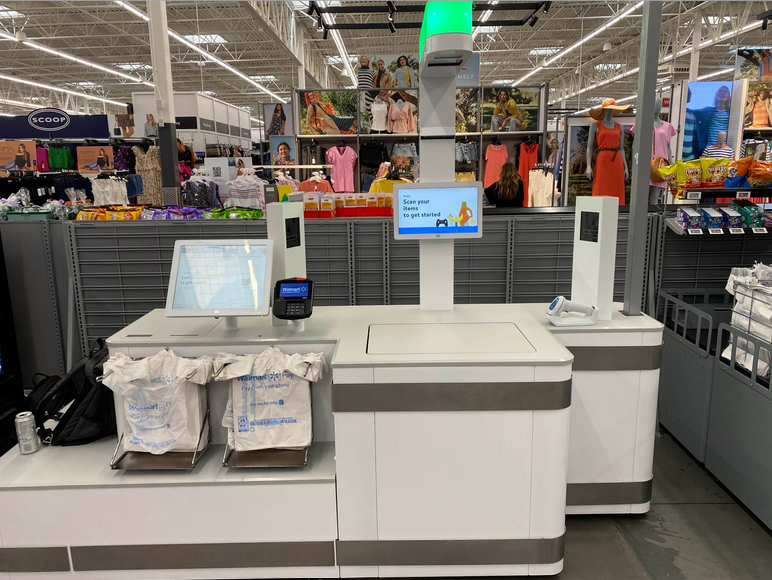
Outcomes
The goal was to produce a mechanically validated, pilot-ready system and generate clear signal in live stores—reliability, throughput, and customer experience.
Objective
Design and deploy a mechanically robust autonomous checkout system that improved front-end throughput and customer experience in live retail environments—while integrating cleanly into existing store infrastructure.
Context
Traditional self-checkout created bottlenecks during peak traffic and required frequent employee intervention. Leadership needed a hardware-led prototype that could be deployed rapidly, survive public use, and validate the feasibility of autonomous checkout under real operating conditions.
This work was executed within Walmart’s Strategic Exploration Group, where speed, field-readiness, and mechanical reliability mattered as much as technical performance.
Constraints
- • Live store environments with real customers and staff
- • Existing store layouts and infrastructure (no greenfield redesign)
- • Aggressive pilot timelines and frequent iteration
- • High reliability, safety, and serviceability requirements
- • Environmental variability impacting vision performance (lighting, occlusion, traffic)
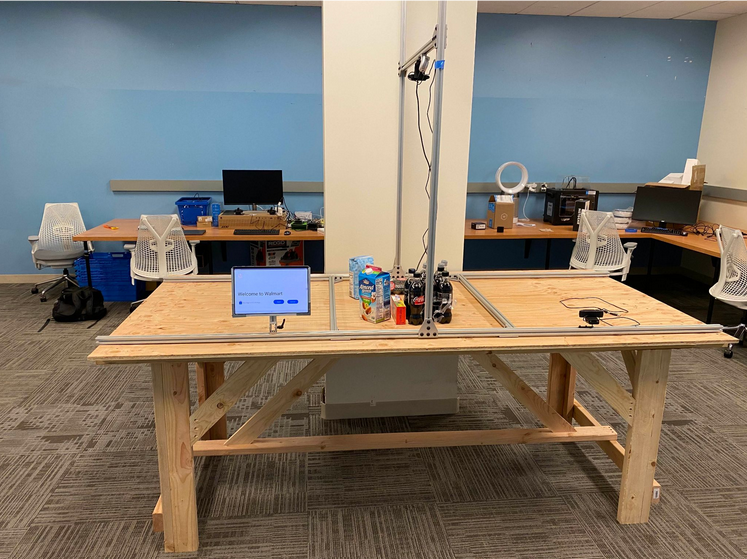
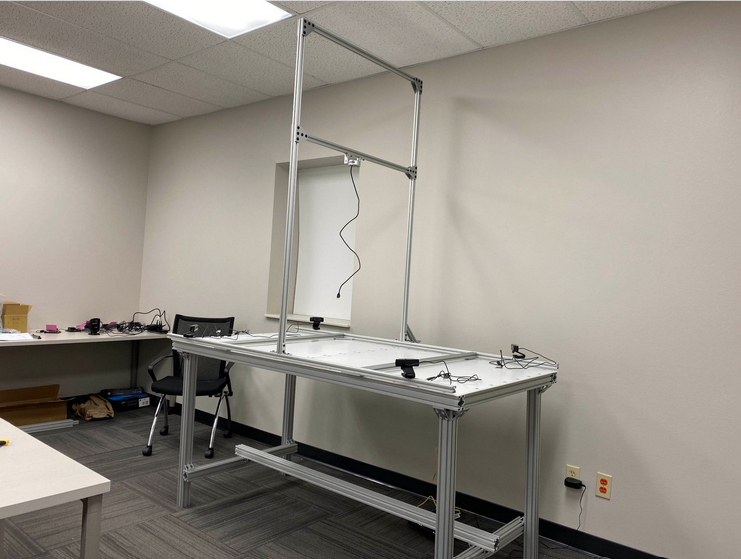
Iteration timeline from prototype to pilot hardening
Mechanical integration evolved across versions to improve stability, serviceability, and deployment repeatability, while supporting consistent camera and lighting geometry for perception performance.
Approach
- • Converted high-level objectives into mechanical + system requirements (mounting, stability, service access, safety)
- • Designed and integrated camera, lighting, compute, and enclosure assemblies for reliability and maintainability
- • Evaluated materials, mounting strategies, and tolerances to withstand continuous public use
- • Coordinated with fabrication partners on build readiness, assembly, and deployment logistics
- • Partnered with software teams so mechanical design supported vision accuracy (lighting consistency, camera placement, occlusion control)
- • Supported installation, debugging, and redesign loops across multiple pilot sites
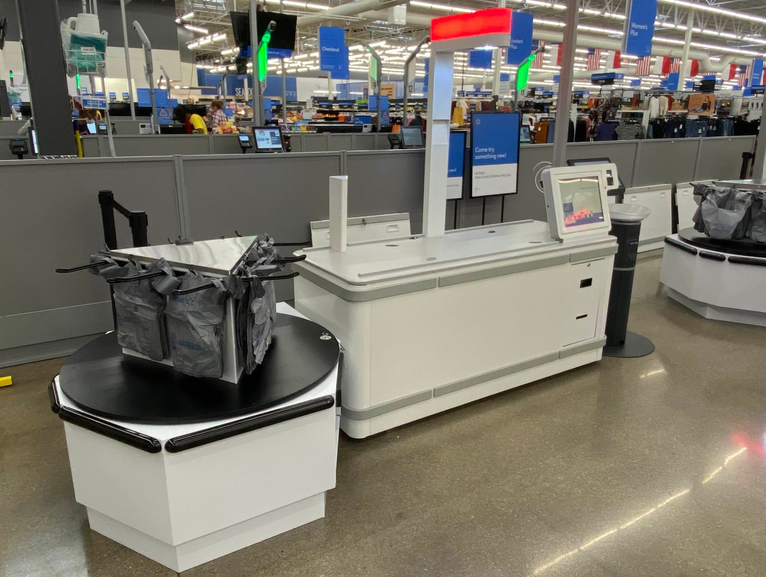
Pilot-ready hardware
Later iterations focused on field hardening: improving robustness, standardizing integration, and reducing operational friction during deployment and servicing.
Key skills demonstrated
Designed hardware architecture and integration strategy for optics, lighting, compute, and enclosures, prioritizing robustness and serviceability.
Iterated quickly in uncontrolled environments, resolving real-world constraints that don’t appear in lab-only prototypes.
Balanced rapid prototyping with production-minded design choices to improve repeatability, assembly, and ongoing maintenance.
Coordinated across software, ops, and vendors to ensure the physical system enabled reliable perception and smooth in-store operation.
I build mechanically reliable, product-grade prototypes that survive real environments and generate clear validation signal—fast.